My mediums for printing my photography may not meet the criteria for fine art according to some people. I recently read a blog that said if it is not on photographic paper, it is not fine art. I understood where he was coming from on some of his points, but overall, I disagree with him.
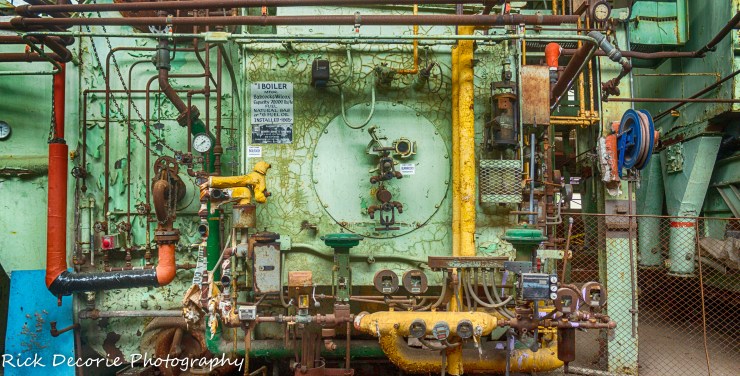
For those that have seen my work, know I print on both canvas, and metal. It does depend on the subject matter. For canvas, it is usually old barns or other farm related buildings or machines. These tend to be colorful. Many of them have been mistaken for paintings. Bearing this in mind, think back to before photography. The great artists painted on canvas. Would not Rembrandt or Renoir be considered fine art? So why can’t my photographs on canvas be considered fine art? Is it the subject matter? Old barns and tractors are not the same as portraits or groups of people. But they are portraits of a different kind. They portray the work buildings and machines of farmers past.

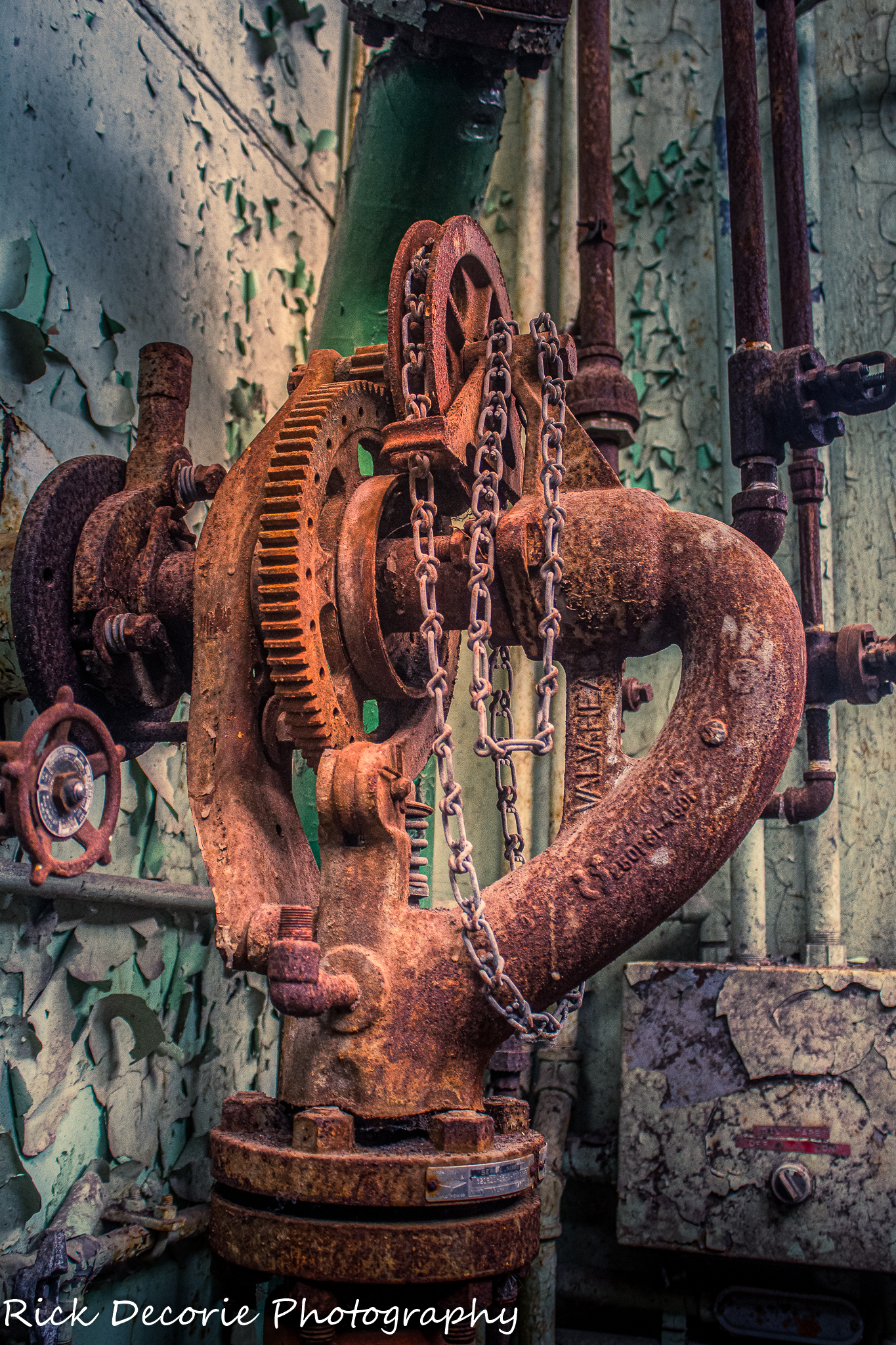
My metal prints are mostly black and white. The subjects are old cars or trucks, or parts thereof. These may be a far cry from the still life paintings of Dali or Monet, but in way, they are very similar. They are both studies of an item. The painters may have used flowers, plants, or food. I use grills, taillights, and old machines.

I think art goes beyond the subject. It is the beauty of the subject in my opinion. I asked Google to define Fine Art. Here is the answer: creative art, especially visual art whose products are to be appreciated primarily or solely for their imaginative, aesthetic, or intellectual content. Notice the word imaginative. Artists have been using this tool for centuries. Without imagination, would we have the Mona Lisa or The Starry Night? I think not.
I use my imagination when I see a subject I like. I imagine what it was like when it was new or in use. I think of its beauty of the past against the beauty of it now. The grill may be missing pieces, the chrome of the taillight pitted, or the machine rusted to the point of non-functionality. Yet, there is still beauty in them. It is the beauty of the work of man.
So, my work has a rough side to it. I am not the only artist. Think of other pieces of art that could be considered rough. The Scream comes to mind, as does Dorothea Lange’s Depression-era photographs. Yet, they are great pieces of art.
It is said that art is in the eye of the beholder. The same can be said of fine art. It can be a canvas, a metal print, or on photo paper. Long live art.
What is your opinion? I would love to know. Please comment below.





Leave a Reply